
The questions behind Datastreams
continue in live ecosystems.
Datastreams grew from context-aware analytics research and continues through applied collaboration on information systems, data governance and shared semantics across organisations.

A continuous line of development
From research programme to independent business infrastructure.
The product names changed as the problem became clearer. The enduring concern remains: keep context, change, shared meaning and responsibility visible while data becomes action.
2011–2015
CAPA research
The STW-funded Context Awareness in Predictive Analytics programme examined context, changing behaviour and predictive systems in live data environments.
Since 2014
Datastreams development
The operational lessons developed into technology for describing data, context, rules, state and processing as one controllable runtime operation.
Across Europe
Implementation practice
Experience from hundreds of analytics implementations exposed the recurring gap between a useful model and an accountable production operation.
AI era
A relevant foundation
Models now change faster and act more directly. Durable context, authority, business state and evidence have become more important, not less.
CAPA foundation
Context Awareness in Predictive Analytics addressed an operational AI problem.
The programme was led by Mykola Pechenizkiy at Eindhoven University of Technology. Adversitement contributed operational infrastructure and Bob Nieme participated as strategy expert. This collaboration became part of the foundation from which Datastreams developed.
The enduring question
How does intelligence remain useful when context changes, behaviour drifts and the resulting action carries business responsibility?
Datastreams approaches that question at runtime: context travels with events, state is retained, capabilities remain replaceable and decisions produce operational evidence.
Current applied collaboration
Information systems for ecosystems must preserve shared meaning and responsibility.
The Datastreams team works on the questions that appear when information crosses organisations, professional languages and changing collaborations. Applied research helps test whether governance and semantics remain usable in a running data service.
Ecosystems and transitions
Energy, mobility, public services and other transitions depend on several actors. Each participant needs the right context, meaning and authority without forcing the network into one organisation's information model.

HAN and DEMAND
Our intensive collaboration with HAN and the DEMAND network connects Datastreams to applied work on safe, responsible and efficient data chains. The shared focus includes data governance, data semantics, data ecosystems and cooperation across organisational boundaries.
HAN · DEMAND · Datastreams
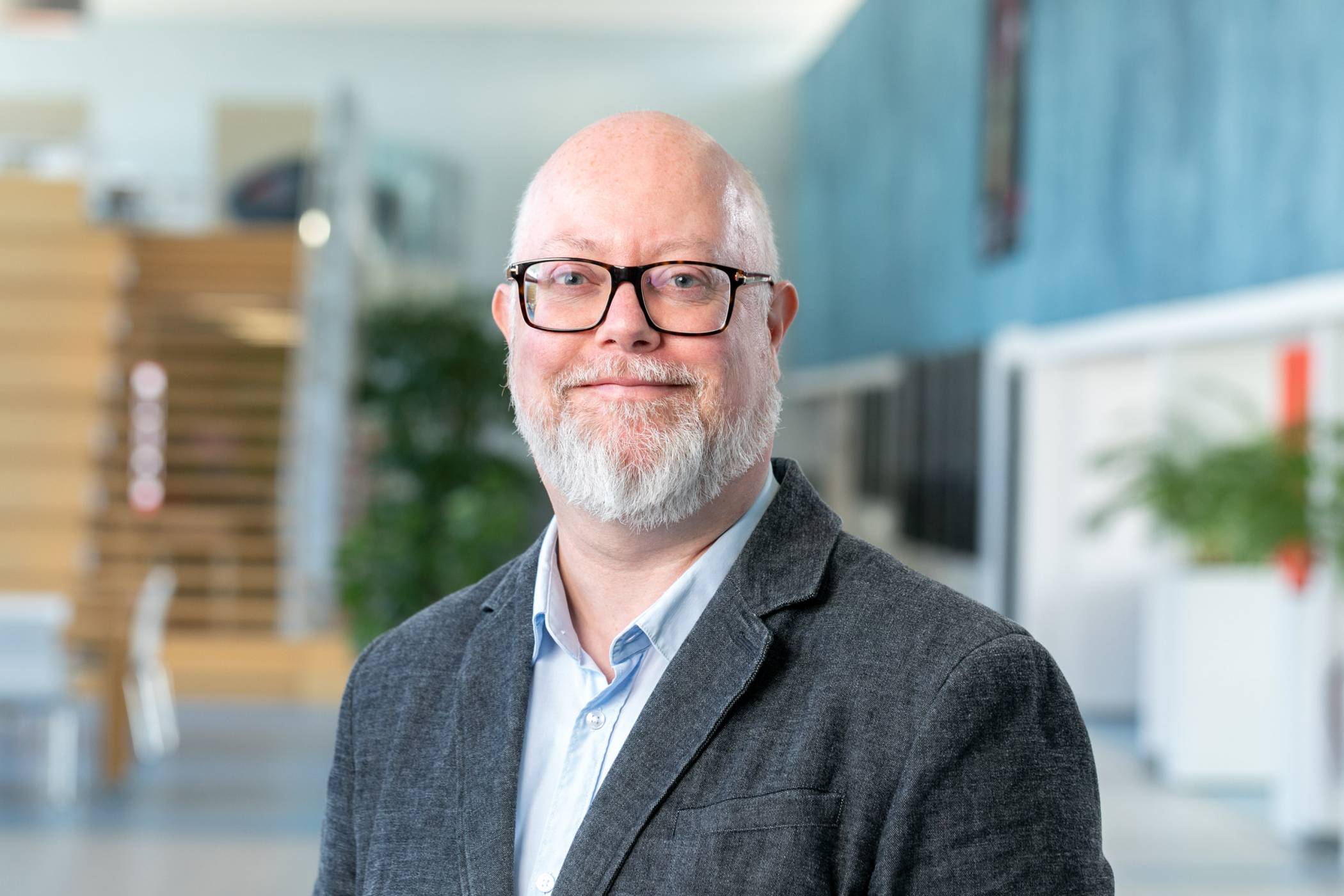
Stijn Hoppenbrouwers
Lector Data & Knowledge Engineering at HAN · active within DEMAND
From his work at HAN and within DEMAND, Stijn provides active input and critical feedback on how Datastreams and DataInbox can represent shared meaning, human knowledge and changing context. His work connects information and knowledge systems, operational knowledge ecosystems, collaborative modelling and semantic modelling.
Relevant expertise
Data and knowledge architecture · requirements engineering · collaborative knowledge elicitation · conceptual and semantic modelling · design science research
Portrait and profile source: HAN University of Applied Sciences. Product decisions and claims remain the responsibility of Datastreams.
Research translated into architecture
Three ideas remain central in the AI era.
They connect the original research problem to governed interactions between business data, people, applications and agents.
Context changes meaning
A prediction or action is only useful when time, history, identity, purpose and the surrounding business situation remain available.
Change must be observable
Behaviour, data quality and model relevance drift. The operation needs to detect change and adapt, reject or escalate deliberately.
Research must survive production
A method becomes operational only when it can be validated against live streams, governed and replaced without losing business continuity.
The research is not a heritage story. It explains why the approach fits today's governance problem.
See how Datastreams turns context, state, rules and evidence into an independent operating boundary.
See how Datastreams works